
Let’s be real for a second. Walking into a bedroom with zero windows can feel a bit like walking into a glorified walk-in closet. Or a bunker.
It’s a design dilemma that stumps even the most enthusiastic DIYers. Your instinct probably screams, “Paint it blinding white! It’s the only way to save it!” But here’s the catch: simply slapping a coat of stark white paint on the walls of a windowless room can actually make it feel dead, flat, and clinical—like a hospital exam room. Not exactly the vibe we’re going for, right?
But here is the good news.
A windowless bedroom isn’t a curse; it’s a massive opportunity. Without natural light dictating the mood (and changing how colors look throughout the day), you have total control. You become the lighting director. You get to decide exactly how that room feels 24/7.
Whether you want to fake the feeling of a sun-drenched retreat or lean into the “cozy cave” aesthetic, the right paint color is your secret weapon.

Pro Grade Paint Roller Kit, Brush & Roller for Professionals & Homeowners
Perfect for smooth finishes on your interior walls. Ideal for home improvement enthusiasts!
Buy Now on Amazon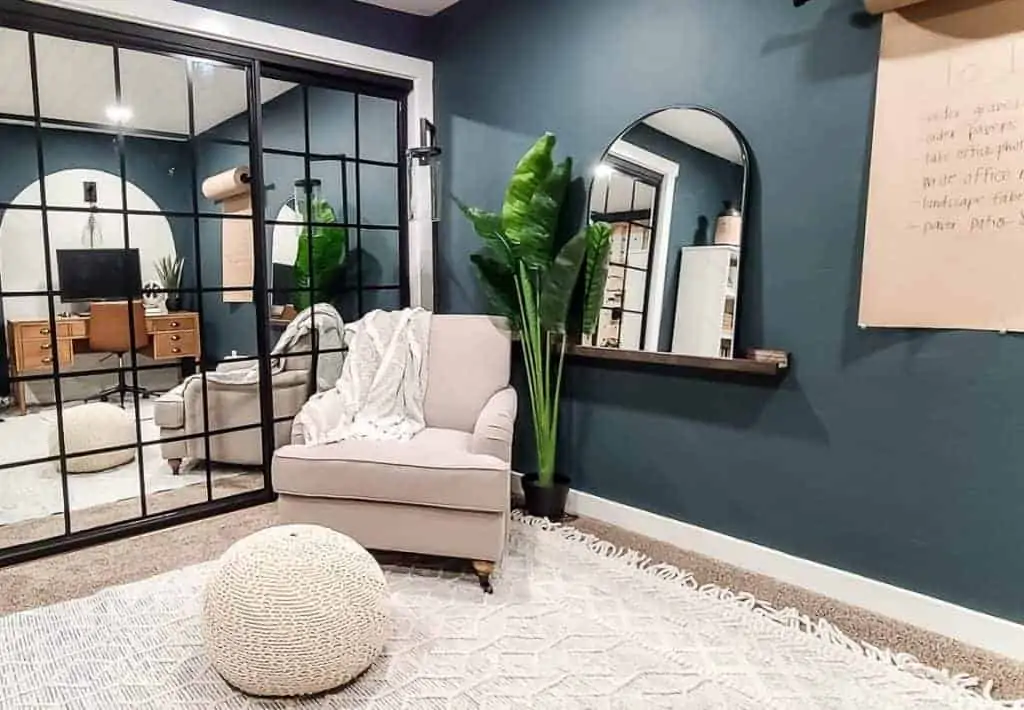
So, grab a coffee (or a paint stirrer), and let’s dive into the expert strategies for painting a small, windowless bedroom.
The Two Golden Rules Before You Pick a Swatch
Before we start naming specific colors, we need to talk strategy. When you don’t have sunlight, you have to rely on physics and psychology.
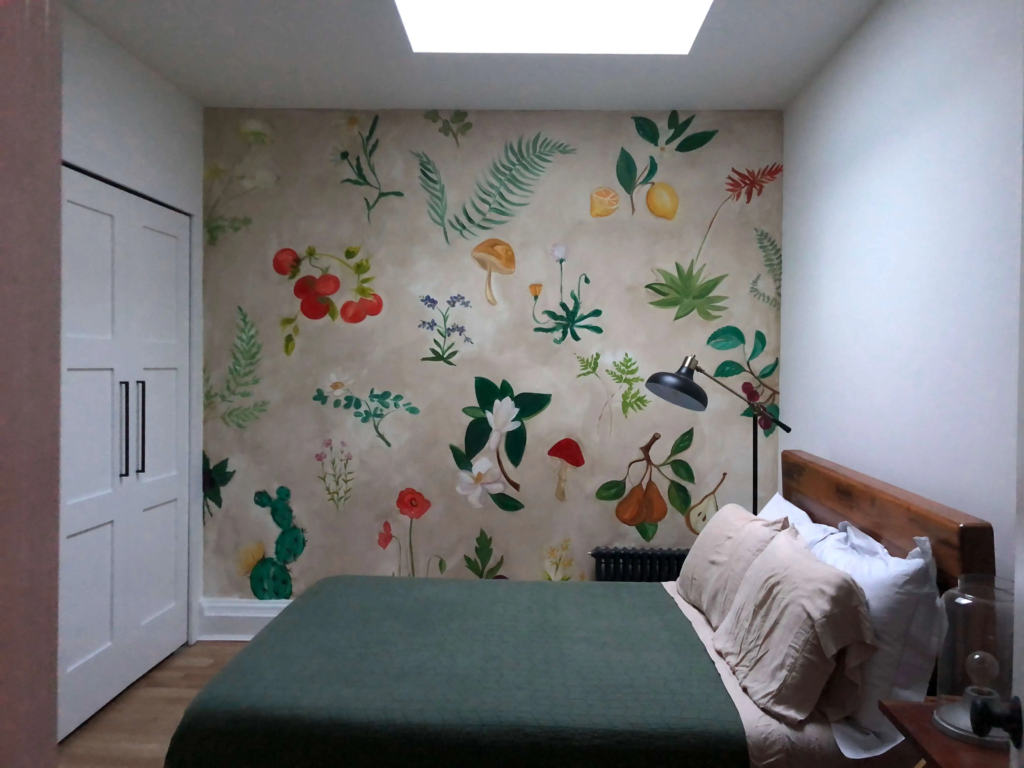
1. Understanding LRV (Light Reflectance Value)
You’ll see this term on the back of paint chips. LRV runs on a scale from 0 (absolute black) to 100 (pure white).
- High LRV (70+): Bounces artificial light around the room. Essential if you want that “airy” feel.
- Low LRV (under 20): Absorbs light. This sounds bad, but in a windowless room, it blurs the boundaries of the corners, creating an illusion of infinite space.
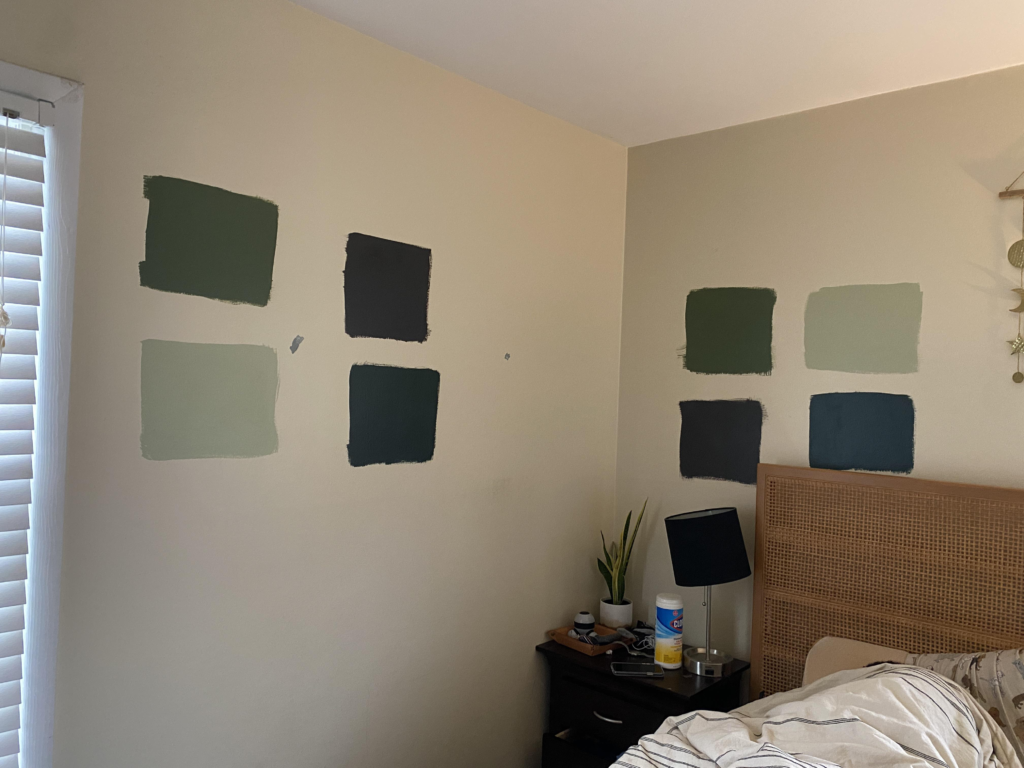
Don’t trust the paint chip! In a windowless room, paint looks 2–3 shades darker than it does in the store. always buy a sample pot and paint a large poster board. Tape it to the wall and look at it with your lamps on before committing.
Rust-Oleum 367605 Home Interior Floor Coating Kit, Semi-Gloss Black
Ideal for updating outdated flooring at a fraction of the cost of replacement and adheres without stripping, sanding or priming.
Buy Now on Amazon2. Lighting is Everything
You cannot paint your way out of bad lighting. In a room with windows, the sun does the heavy lifting. In a windowless room, your lamps and overheads are the stars of the show.
Do NOT use “Daylight” (5000K) bulbs in a windowless room. They will turn your cozy paint color into a sterile, blueish hospital waiting room. Stick to Warm White (2700K–3000K) only.
- Pro Tip: Before you test a single paint color, upgrade your bulbs. Aim for “Warm White” (2700K–3000K). Anything cooler (4000K+) will make your paint look blue and commercial.
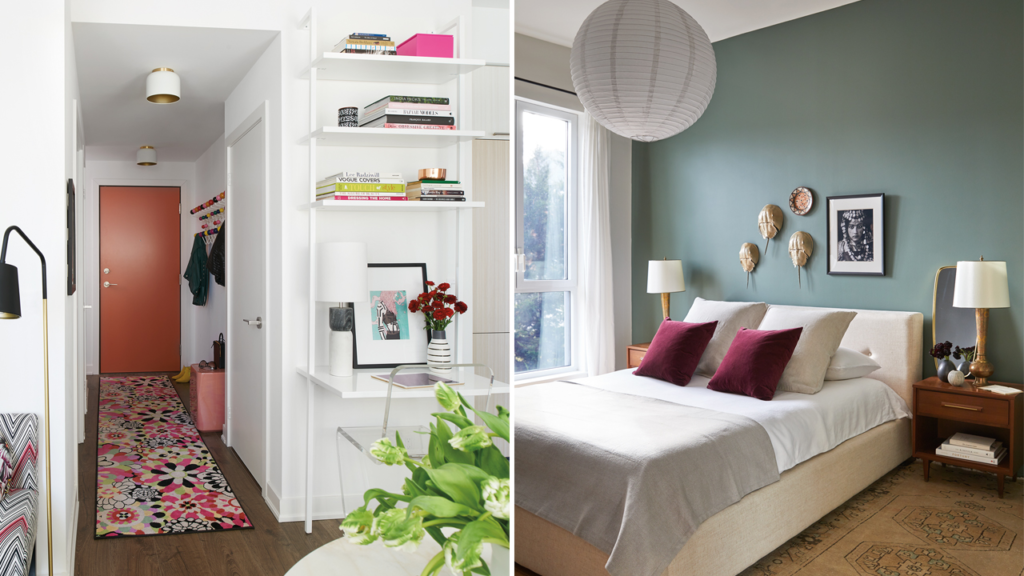
Strategy A: The “Fake Natural Light” Approach
If you hate the idea of a dark room and want to simulate a breezy, open space, this is your lane. The goal here is to trick the eye into thinking there might be a window just around the corner.
1. Warm Whites (Not Stark Whites)
Avoid pure, brilliant white. Without natural light to warm it up, pure white turns gray and shadowy in the corners. instead, you need whites with yellow, red, or orange undertones. These undertones mimic the glow of sunlight.
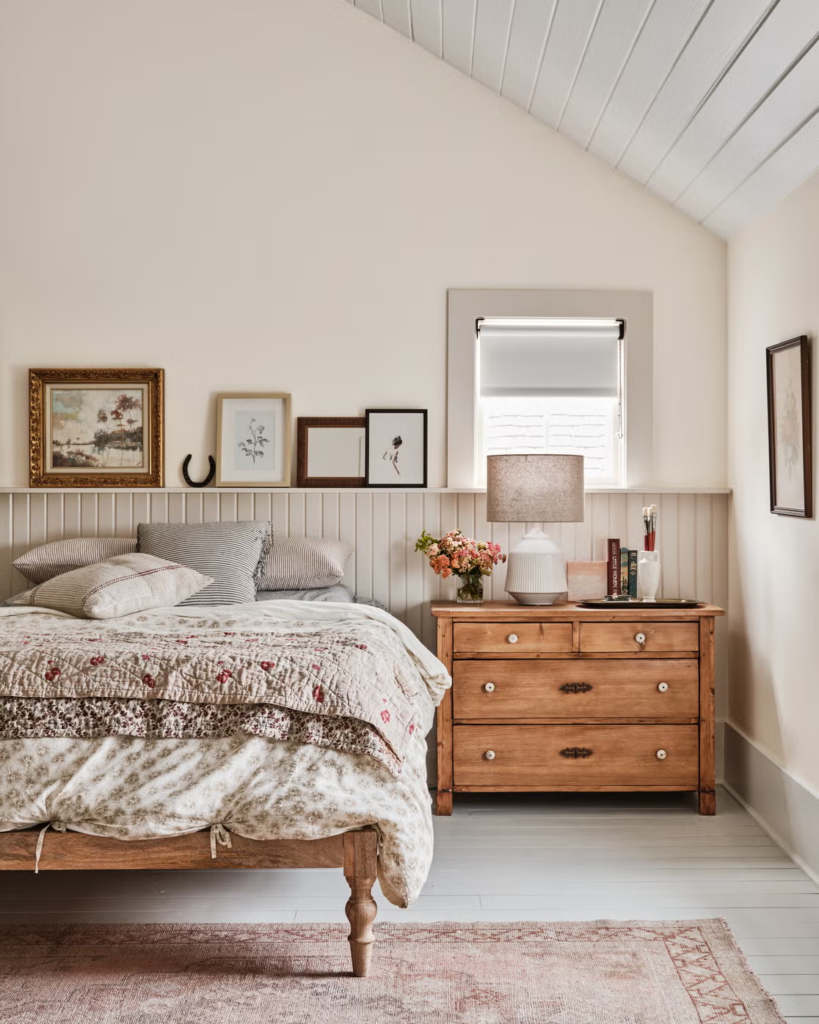
- Top Pick: Benjamin Moore Swiss Coffee. It’s the holy grail of creamy whites. It has just enough warmth to feel inviting but is bright enough to bounce your lamp light everywhere.
- Runner Up: Sherwin Williams Alabaster. It’s soft, manageable, and doesn’t look yellow—just “glowy.”
2. Sunny Yellows and Buttery Creams
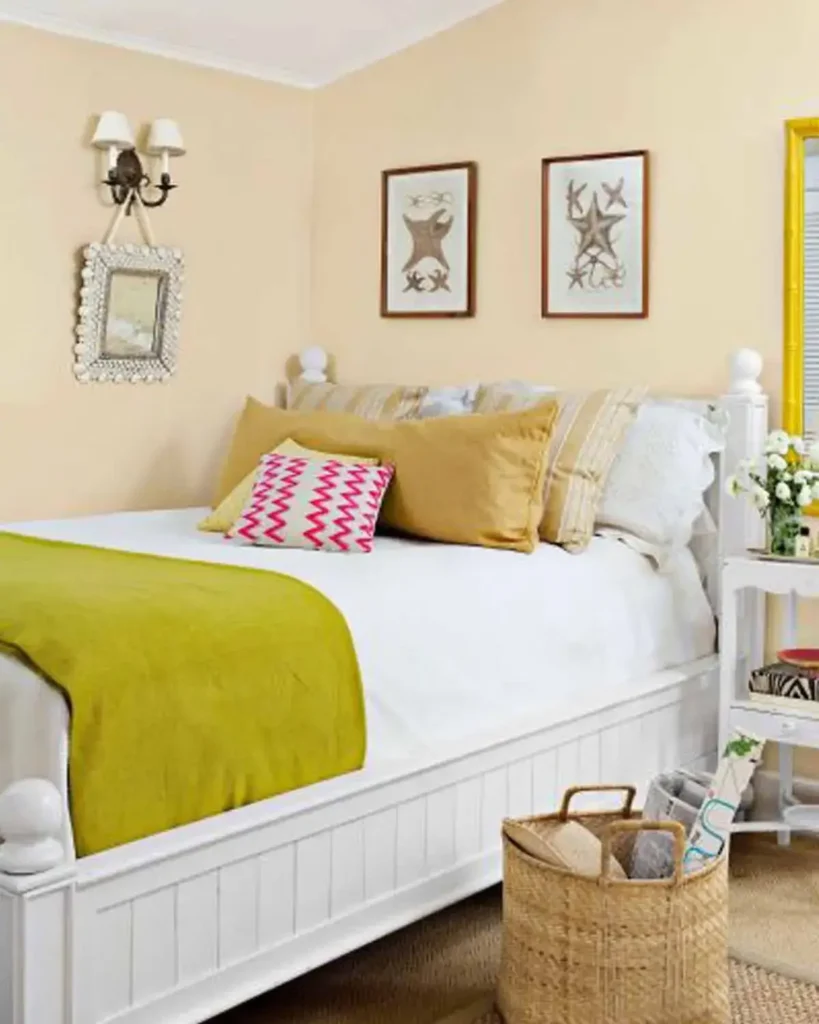
I know, I know. Yellow gets a bad rap. But in a windowless room, it’s basically sunlight in a can. The trick is to go muted, not neon. You want the color of butter, not a highlighter.
- Why it works: These shades hold their own against artificial light and keep the room feeling energetic and happy.
- Try This: Farrow & Ball Hay. It’s sophisticated and earthy, not childish.
Mindful Hues
I think I know…
In a small windowless room, painting the ceiling the same color as the walls (“Color Drenching”) makes the room feel taller and more expansive.
3. Soft, Hazy Greys (With Warm Undertones)
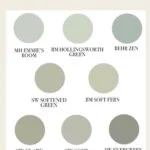
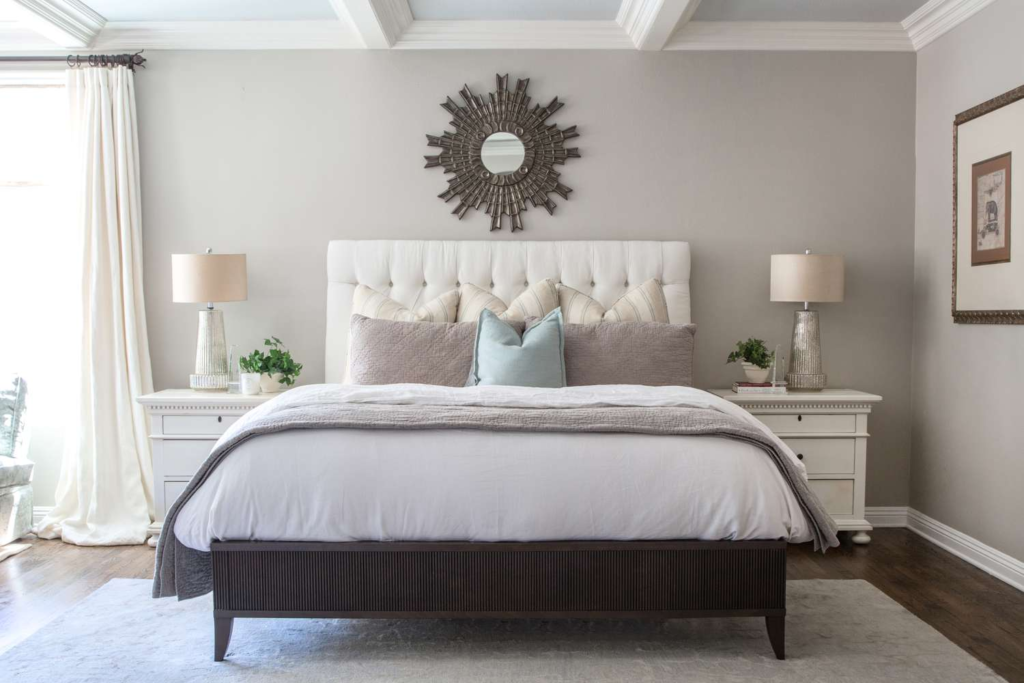
Cool greys are a no-go here—they will make the room feel like a concrete cell. But a “greige” (grey + beige) creates a sophisticated backdrop that feels lighter than it actually is.
- The Secret: Look for greys that sit near the beige family. They provide depth without sucking up all your light.
- Top Pick: Sherwin Williams Agreeable Gray. It’s popular for a reason. It adapts beautifully to artificial light.
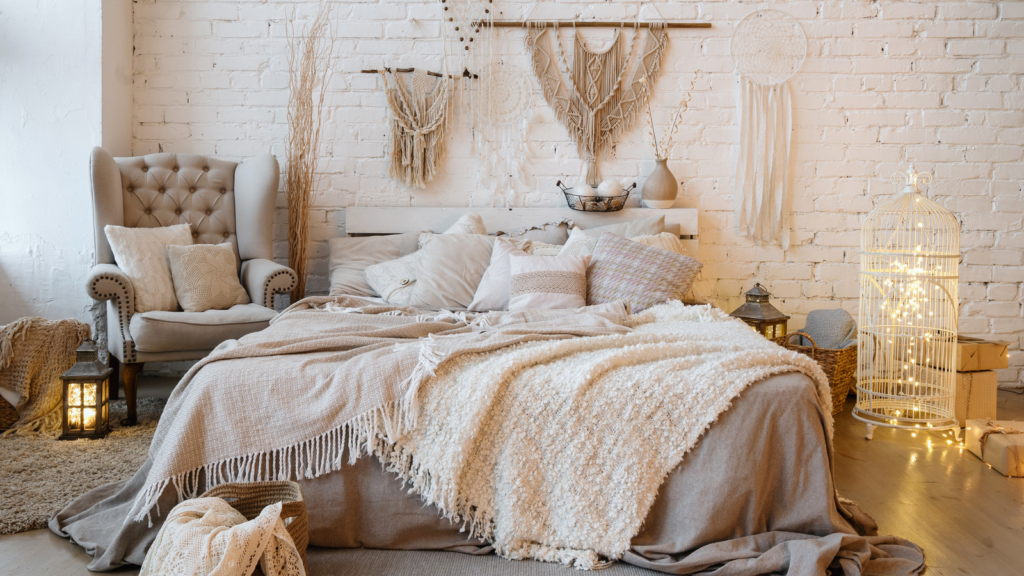
Strategy B: The “Cozy Cave” Approach (Embrace the Dark)
Here’s the cool part that most people don’t realize: Dark colors can actually make a small room look bigger.
When you paint a small room white, you can see exactly where the walls meet in the corners. You define the box. When you paint a room a deep, rich color (especially if you paint the ceiling and trim the same color), those edges disappear. The room feels enveloping and vast, like the night sky.
If you use this room mostly for sleeping or watching movies, this is 100% the way to go.
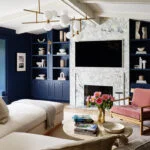
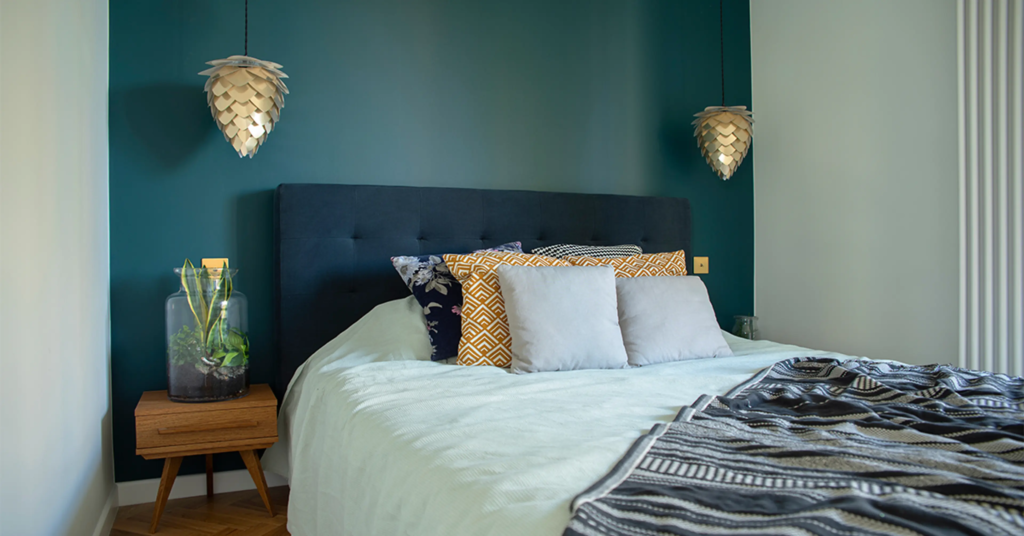
1. Deep Navy or Charcoal
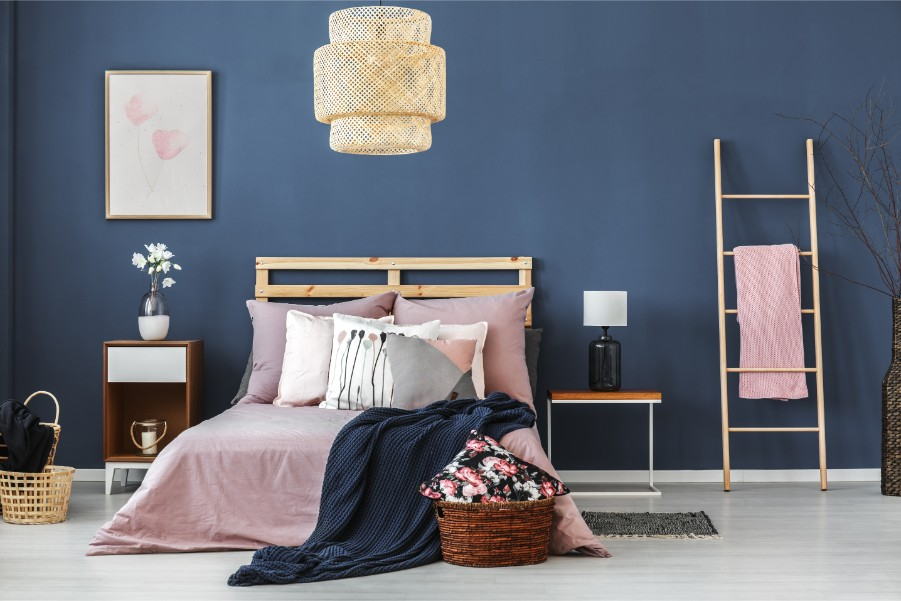
This is for the bold. A dark navy blue reads as neutral but adds so much more character than grey.
- The Vibe: calm, grounded, and expensive. It feels like a boutique hotel room.
- Styling Tip: If you go dark, use high-gloss or semi-gloss finishes on the trim to reflect a little sparkle from your lamps.
- Top Pick: Benjamin Moore Hale Navy. It’s a classic. It doesn’t look purple; it just looks like the deep ocean.
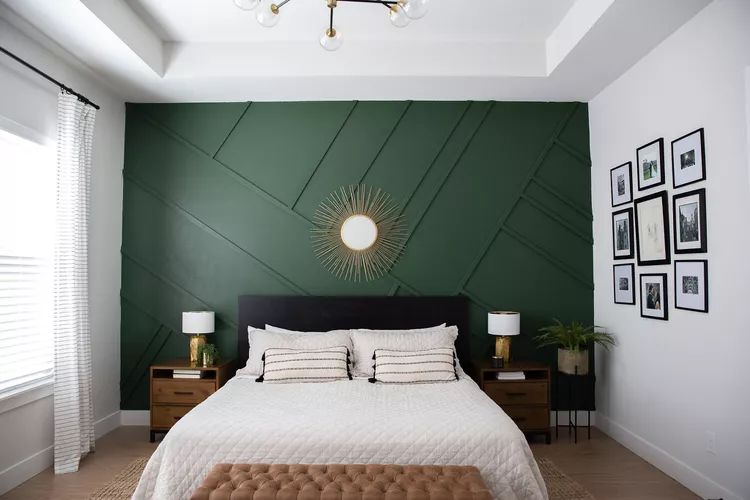
2. Forest Green
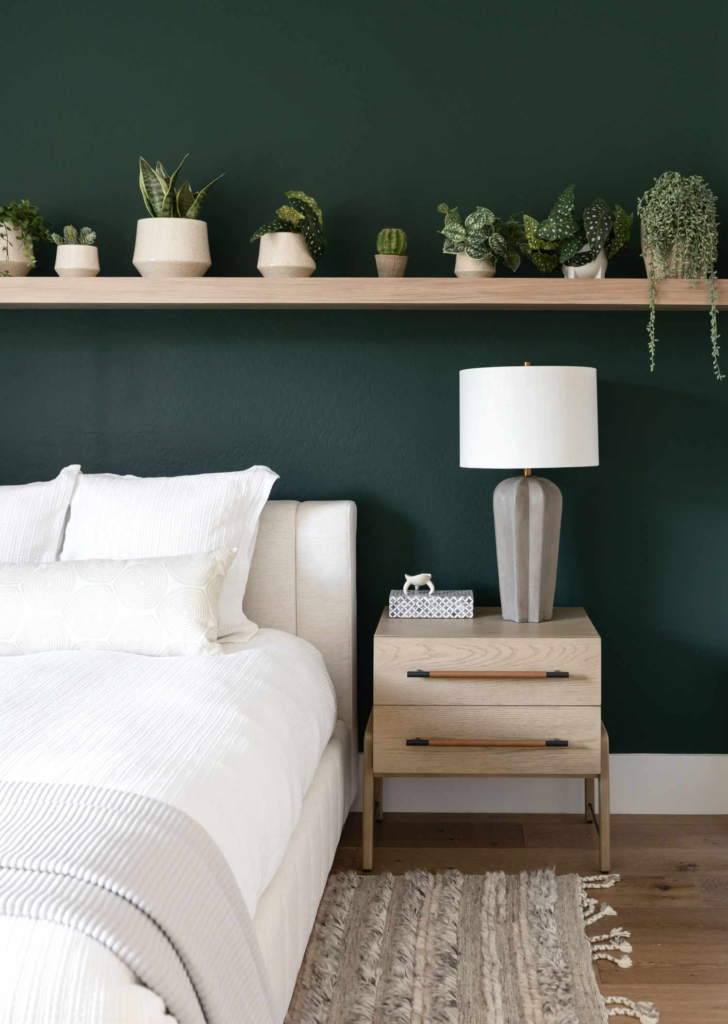
Nature-inspired colors are inherently soothing. Since you can’t look out a window at a tree, bring the tree inside.
- Why it works: Green is the easiest color for the human eye to process. In a high-stress, windowless environment, it lowers your heart rate.
- Top Pick: Sherwin Williams Pewter Green. It’s muted enough to not feel like a golf course, but dark enough to be moody.
3. Rich Terracotta or Clay
If you want cozy but aren’t ready for “lights out” dark, earthy reds and oranges are incredible. They literally warm up the visual temperature of the room.
- The Vibe: A warm hug.
- Top Pick: Farrow & Ball Red Earth. It changes beautifully under lamp light, glowing with a soft, radiant heat.
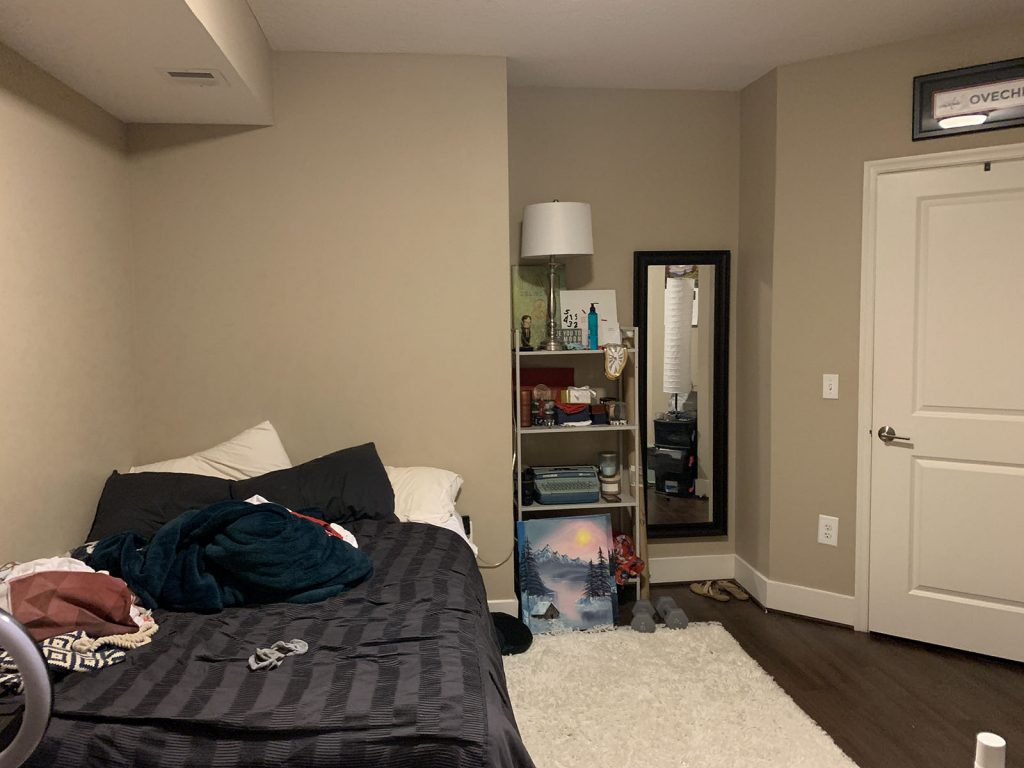
The “Fifth Wall”: What to Do with the Ceiling
In a standard room, you leave the ceiling white. In a windowless box? You have options, and they make a huge difference.
Option 1: The Infinite Lift
Paint the ceiling the exact same color as the walls. This is called “Color Drenching.” It blurs the line between wall and ceiling, making your eye travel up without stopping. It eliminates that “lid on a box” feeling that small rooms often have.
Option 2: High Gloss
If you are feeling adventurous, paint the ceiling in a high-gloss finish (even if it’s white). It acts like a mirror, reflecting your floor lamps and bouncing light back down into the room. It creates a “skylight” effect where there isn’t one.
The Secret Ingredient: Sheen and Texture
When you have windows, the texture of the wall matters less because the sun flattens things out. In a windowless room, the sheen of your paint dictates how light moves.
- Matte/Flat: Generally, avoid this in windowless rooms unless you are doing a very dark color and want a velvety look. It absorbs light and can make the walls feel “dead.”
- Eggshell/Satin: This is your sweet spot. It has a slight glow that helps bounce artificial light around without looking wet or shiny.
Expert Insight: If you go with the dark, moody approach, try a slightly higher sheen than you normally would. The way the light catches the curves of the wall adds visual interest that you’re missing from the lack of a view.
3 Design Tricks to Cheat the Eye
You’ve got your paint picked out. Now, how do you style it to make sure the room doesn’t feel suffocating?
1. The “Fake Window” Mirror Place a large, oversized mirror (or a grid of smaller mirrors) on the wall opposite the door. It reflects the hallway light or the room’s main light source, doubling the visual depth. It’s the oldest trick in the book because it works.
2. Metallic Accents Brass, chrome, or gold hardware on your dresser or nightstands isn’t just decoration—it’s a light reflector. These little glimmers break up the solid color of the walls and add life.
3. Layered Lighting Never rely on just the overhead “boob light.” You need at least three sources of light:
- Overhead (Ambient)
- Bedside lamps (Task)
- Floor lamp or LED strips behind a headboard (Accent) This creates shadows and highlights, giving the room dimension that the sun usually provides.
The Verdict
So, which team are you on?
Are you Team Expand, looking to use warm whites (like Swiss Coffee) and soft beiges to trick the eye into seeing a breezy, open space?
Or are you Team Embrace, ready to grab a gallon of Hale Navy or Forest Green to create a cozy, sleep-inducing cocoon?
There is no wrong answer here, provided you commit to the look. The only mistake you can make in a windowless bedroom is trying to be half-hearted. Don’t paint one accent wall and leave the rest white—it creates contrast that highlights the smallness of the room.
Commit to the color. Drench the walls. Upgrade your lighting. You might just find that your windowless room becomes the best sleep sanctuary in the house.
Frequently Asked Questions (FAQs)
1. Will painting a windowless room dark make it feel claustrophobic? Surprisingly, no! Dark colors blur the corners and edges of the room. When you can’t clearly define the boundaries of the space, it creates an illusion of depth. It feels cozy and enveloping rather than tight. Just make sure you have good artificial lighting.
2. What is the best light bulb temperature for a room with no windows? Stick to Warm White (2700K to 3000K). This mimics the warmth of incandescent light or late-afternoon sun. Avoid “Daylight” bulbs (5000K+); in a windowless room, they often cast a harsh, blue, clinical hospital glow that makes paint colors look sickly.
3. Should I paint the ceiling white or the same color as the walls? In a small, windowless room, I highly recommend painting the ceiling the same color as the walls (or a shade lighter). This technique, called “color drenching,” prevents the eye from stopping at the ceiling line, making the ceilings feel higher.
4. Can I use wallpaper in a bedroom without windows? Absolutely! Wallpaper can add the depth and interest that a lack of view takes away. Look for patterns with a bit of shimmer or metallic ink to catch the light. Just avoid tiny, busy patterns which can feel chaotic in a small space.
5. Is grey paint out of style for windowless rooms? Cool, flat greys are falling out of style because they can feel depressing without natural light. However, warm “greiges” (grey-beiges) are timeless. They offer the sophistication of grey but the warmth needed for a dark room.
6. How do I test paint colors if there is no natural light? Great question. Don’t paint swatches on the wall yet. Paint large poster boards and tape them up. Turn on the lights you will actually be using in the room (lamps, overheads). Check the color at different times of day—even without windows, your perception of the color changes based on your mood and the surrounding house lights.
7. What is the best paint finish for dark walls in a small room? If your walls are smooth, an Eggshell finish is perfect. It’s washable and reflects just enough light to keep the color from looking flat. If you want high drama, a Satin or Semi-Gloss reflects more light but will show every imperfection in the drywall.