
When it comes to calming and nature-inspired paint colors, sage greens have become one of the most popular choices in modern interiors. Among these, Sherwin‑Williams Soft Sage (SW 9647) stands out as a gentle, muted green that feels fresh, sophisticated, and incredibly versatile.
Soft Sage is not a loud green. Instead, it’s a subtle blend of green and gray that brings a peaceful atmosphere to a room while still acting almost like a neutral. Whether used in a living room, bedroom, kitchen, or bathroom, this color creates a calm environment that feels connected to nature.
In this complete guide, we’ll explore everything you need to know about Soft Sage SW 9647, including its undertones, lighting behavior, the best rooms to use it, and the most beautiful colors that pair with it.
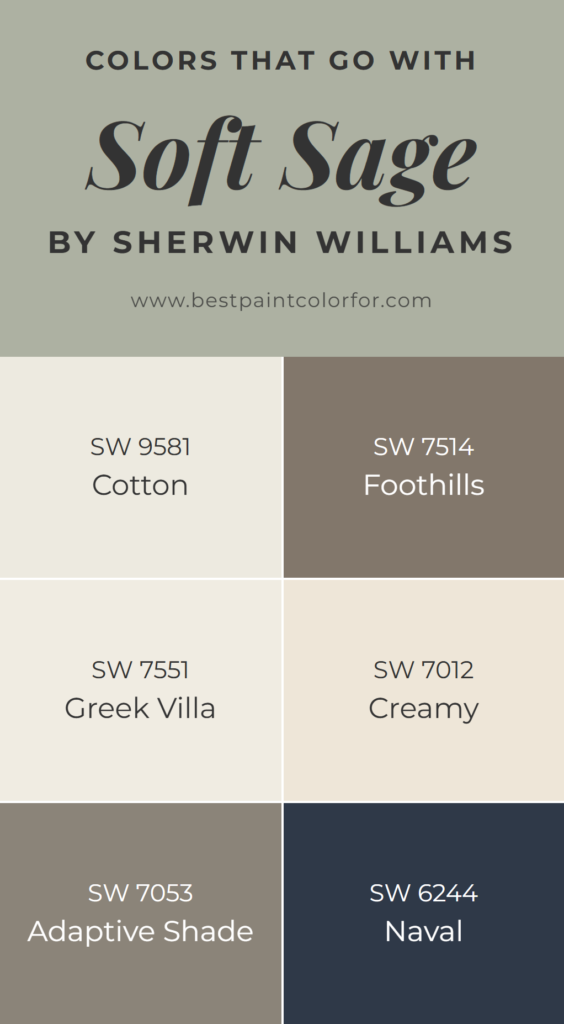
What Color Is Sherwin-Williams Soft Sage?
Soft Sage is a muted green-gray paint color that sits right in the middle of the sage color family. It’s not too dark and not too light, making it extremely adaptable for many different interiors.
Basic color details
Color code: SW 9647
Color family: Sage green
Undertones: Gray and slight yellow
LRV (Light Reflectance Value): Around 48–50

Pro Grade Paint Roller Kit, Brush & Roller for Professionals & Homeowners
Perfect for smooth finishes on your interior walls. Ideal for home improvement enthusiasts!
Buy Now on AmazonAn LRV around 50 means the color reflects about half the light that hits it, creating a balanced brightness that works in both bright and dim spaces.
Because of its gray undertones, Soft Sage appears calm and grounded rather than bright or minty.
Understanding the Undertones of Soft Sage
One of the reasons Soft Sage is so popular is its complex undertones.
Primary undertones
• Soft gray
• Subtle yellow
• Slight blue-green hints
Rust-Oleum 367605 Home Interior Floor Coating Kit, Semi-Gloss Black
Ideal for updating outdated flooring at a fraction of the cost of replacement and adheres without stripping, sanding or priming.
Buy Now on AmazonThese undertones give the color a balanced personality.
- The green brings freshness and nature.
- The gray keeps the color muted and sophisticated.
- The yellow undertone adds just enough warmth to keep it from feeling cold.
This blend makes Soft Sage act almost like a neutral paint color.
How Lighting Affects Soft Sage
Lighting dramatically influences how this color appears on walls.
Natural sunlight
Bright daylight tends to highlight the green tones, making the color feel fresh and organic.
Artificial lighting
Indoor lighting often emphasizes the gray undertones, making the color appear slightly cooler and more subdued.
North-facing rooms
Soft Sage may appear cooler and more gray in north-facing spaces.
South-facing rooms
Warm sunlight enhances the yellow undertones, making the color feel warmer and more inviting.
Because of this adaptability, Soft Sage works well in many lighting conditions.
Why Designers Love Soft Sage
Interior designers often use sage greens because they create a calm, grounded feeling in a room.
Soft Sage is especially loved because it offers color without overwhelming the space.
Key benefits
• Creates a peaceful atmosphere
• Works as a neutral background
• Pairs well with natural materials
• Works with both warm and cool palettes
• Fits many design styles
The color works particularly well in these styles:
- Modern farmhouse
- Scandinavian interiors
- Boho interiors
- Minimalist homes
- Traditional homes
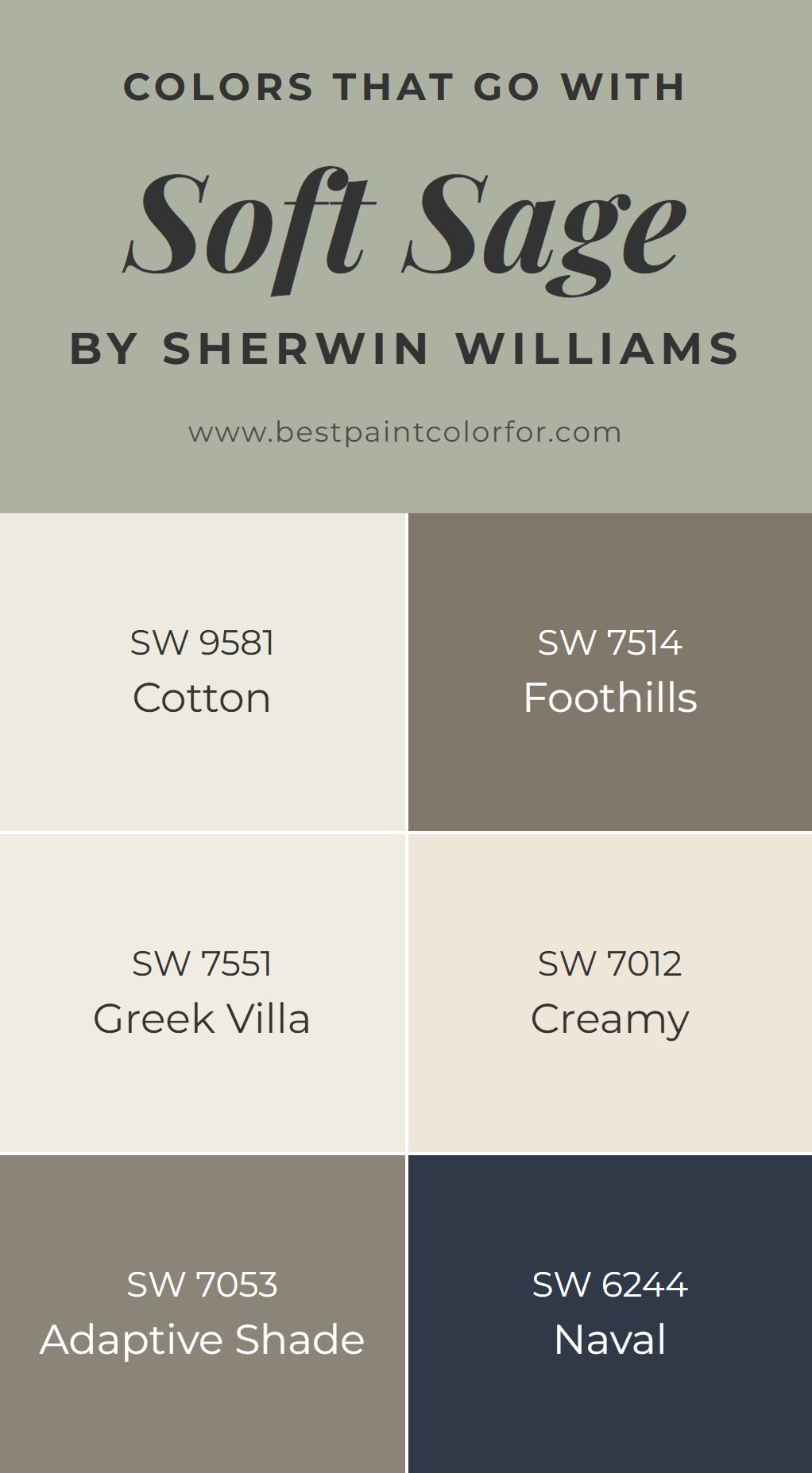
Best Colors That Go With Soft Sage
Choosing the right coordinating colors will elevate your design and help create a balanced palette.
Below are some of the most beautiful colors that pair with Soft Sage.
1. Alabaster – A Perfect Soft White Pairing
One of the most popular combinations with Soft Sage is Sherwin‑Williams Alabaster.
Alabaster is a warm white that complements the gentle green tone without creating harsh contrast.
Why it works
• Soft contrast
• Keeps the palette light
• Enhances the warmth of the green
Best uses
- Trim and baseboards
- Ceilings
- Kitchen cabinets
This pairing creates a clean and elegant interior.
2. Accessible Beige – A Warm Neutral Companion
Sherwin‑Williams Accessible Beige is another excellent pairing.
This greige color adds warmth and depth to a Soft Sage palette.
Where it works best
• Living rooms
• Hallways
• Open-concept homes
Because both colors have earthy undertones, they feel naturally connected.
3. Urbane Bronze – A Dramatic Accent
For contrast, Sherwin‑Williams Urbane Bronze is a stunning accent color.
This deep brown-gray creates a grounded and sophisticated palette.
Ideal uses
• Accent walls
• Kitchen islands
• Interior doors
• Fireplace surrounds
The combination of Soft Sage and Urbane Bronze feels modern and luxurious.
4. Limestone – A Light Greige Balance
Sherwin‑Williams Limestone is a pale greige that works beautifully with Soft Sage.
This color adds brightness while keeping the palette soft and neutral.
Best uses
• Adjacent rooms
• Trim and ceilings
• Kitchen cabinetry
It balances the green tones and keeps spaces feeling airy.
5. Willowleaf – A Deeper Sage Companion
If you want a monochromatic palette, Sherwin‑Williams Willowleaf pairs beautifully with Soft Sage.
Willowleaf is slightly deeper and cooler, adding subtle contrast.
Perfect for
• Built-ins
• Accent walls
• Cabinets
This combination creates a layered green palette that feels natural and elegant.
6. Coral Clay – A Warm Earthy Accent
For a bold and earthy palette, Sherwin‑Williams Coral Clay creates a beautiful contrast.
The warm terracotta tone complements the cool green beautifully.
Best rooms
• Dining rooms
• Living rooms
• Accent décor
This pairing creates a warm, Mediterranean-inspired palette.
Example Color Palette Using Soft Sage
Here is a balanced designer palette.
Walls
Soft Sage SW 9647
Trim
Alabaster SW 7008
Secondary neutral
Accessible Beige SW 7036
Accent color
Urbane Bronze SW 7048
Additional accent
Coral Clay SW 9005
This palette combines soft greens, warm neutrals, and dramatic accents.
Best Rooms to Use Soft Sage
Soft Sage works beautifully throughout the home.
Living Rooms
Soft Sage creates a calm and welcoming living room environment.
Pair it with:
• Light wood furniture
• Linen fabrics
• Neutral rugs
• Natural textures
The result is a relaxed and inviting space.
Bedrooms
Sage greens are famous for creating restful bedrooms.
Soft Sage helps establish a peaceful atmosphere perfect for relaxation.
Pair it with:
• White bedding
• Wood nightstands
• Soft gray textiles
This creates a soothing retreat.
Kitchens
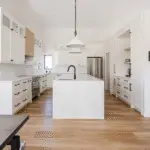
Soft Sage works beautifully in kitchens, especially when paired with white cabinets.
Popular combinations include:
Soft Sage walls
White cabinets
Brass hardware
This palette feels fresh and timeless.
Bathrooms
Soft Sage is perfect for bathrooms because it creates a spa-like atmosphere.
The color works beautifully with:
• White tile
• Marble countertops
• Chrome fixtures
It feels clean yet calming.
Materials That Pair Beautifully With Soft Sage
To enhance the natural feel of this color, designers often combine it with organic materials.
Great pairings include:
• Oak or walnut wood
• Marble surfaces
• Linen fabrics
• Woven baskets
• Brass fixtures
These textures complement the earthy nature of the color.
Soft Sage vs Similar Sherwin-Williams Colors
If you’re considering Soft Sage, you might also be looking at other sage colors.
Soft Sage vs Clary Sage
Clary Sage is darker and more earthy.
Soft Sage vs Sea Salt
Sea Salt is lighter and more blue-green.
Soft Sage vs Austere Gray
Austere Gray is more gray than green.
Understanding these differences can help you choose the best color for your space.
Is Soft Sage a Good Whole-House Color?
Yes — Soft Sage can absolutely work as a whole-house color.
Because it’s muted and balanced, it connects rooms naturally without overwhelming the design.
It works particularly well if your home features:
• Natural wood flooring
• Neutral furniture
• White trim
• Earthy décor
The color provides a soft, cohesive foundation throughout the home.
Final Thoughts
Sherwin-Williams Soft Sage SW 9647 is a beautiful, calming paint color that blends green and gray into a balanced, nature-inspired neutral.
Its moderate brightness, soft undertones, and versatility make it suitable for nearly any room in the house. When paired with complementary colors like Alabaster, Accessible Beige, Urbane Bronze, and Coral Clay, it can create palettes that feel both modern and timeless.
If you want a paint color that feels fresh, sophisticated, and peaceful, Soft Sage is one of the best sage greens available.